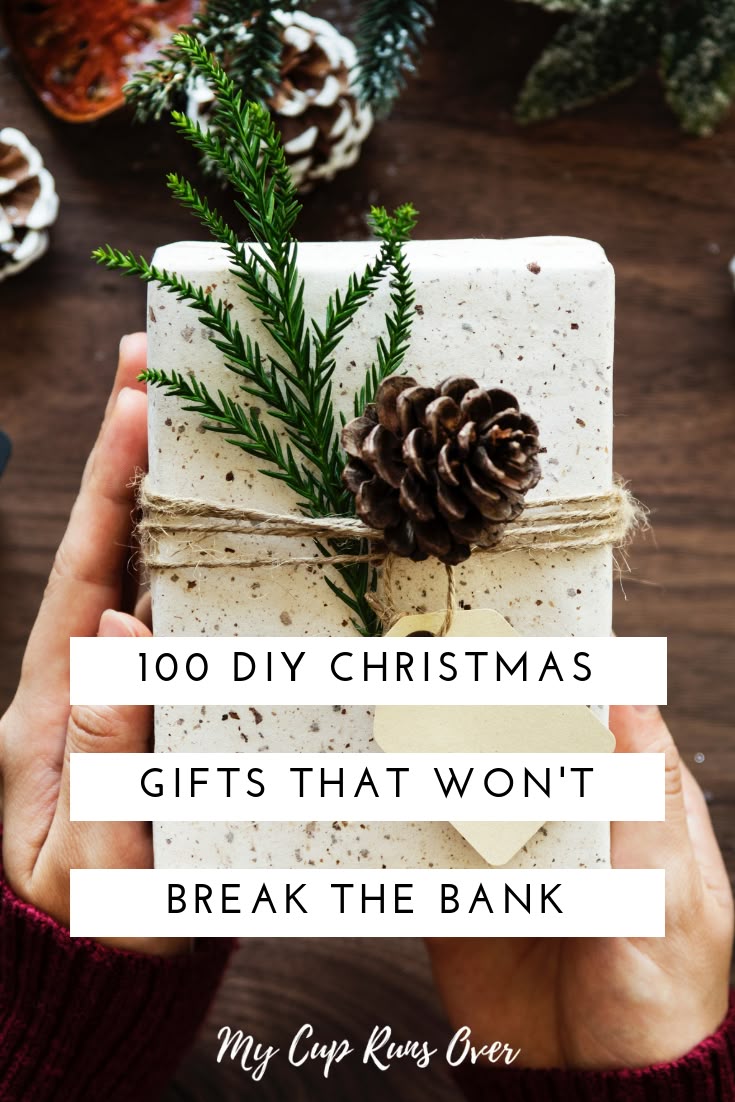
homemade gifts

Crafting Sentiments: The Beauty of Homemade Gifts

The Beauty of Homemade Gifts

The Beauty of Homemade Gifts

Homemade gifts hold a special place in our hearts. They are not just presents; they are tokens of love, care, and creativity. Whether it’s a knitted scarf, a batch of cookies, or a handcrafted photo frame, homemade gifts carry a personal touch that sets them apart from store-bought items.

One of the most wonderful things about homemade gifts is the time and effort that goes into creating them. Each stitch, each brushstroke, each ingredient chosen with care – all reflect the thoughtfulness and dedication of the giver. It’s not just about the gift itself; it’s about the sentiment behind it.

Homemade gifts also have a unique charm that cannot be replicated by mass-produced items. They are one-of-a-kind treasures that showcase the skills and talents of the creator. Whether you are receiving or giving a homemade gift, there is a sense of authenticity and warmth that accompanies it.

Moreover, homemade gifts often come with stories attached to them. The time spent making the gift, the inspiration behind it, the memories shared during its creation – all add layers of meaning and significance to the final product. These stories make homemade gifts not just objects but keepsakes to be cherished for years to come.

In today’s fast-paced world, where everything seems to be readily available at our fingertips, homemade gifts remind us to slow down, appreciate simplicity, and connect on a deeper level with those we care about. They symbolize thoughtfulness over extravagance, creativity over conformity, and love over materialism.

So next time you’re thinking about giving a gift, consider putting your heart and hands to work to create something truly special. Whether it’s a piece of art, a jar of preserves, or a handmade card, remember that homemade gifts are not just presents – they are expressions of love that can brighten someone’s day in ways beyond words.


The Charm of Homemade Gifts: Personal Touch, Affordability, and More

  1. Personalized touch
  2. Cost-effective
  3. Eco-friendly
  4. Skill development
  5. Emotional value


Potential Drawbacks of Homemade Gifts: Considerations to Keep in Mind

  1. May lack the polished look of store-bought gifts
  2. Time-consuming to create, especially for intricate or elaborate items
  3. Quality may vary depending on the skills and experience of the creator
  4. Limited customization options compared to professionally made products
  5. Difficult to replicate identical items for multiple recipients
  6. Some homemade gifts may not appeal to everyone’s tastes or preferences

Personalized touch

Homemade gifts offer a personalised touch that sets them apart from store-bought presents. By crafting a gift with the recipient’s preferences in mind, whether it’s their favourite colours, flavours, or themes, you can create something truly unique and special. This attention to detail and thoughtfulness ensures that the homemade gift resonates with the recipient on a deeper level, making it a cherished keepsake that reflects the bond between giver and receiver.

Cost-effective

One of the significant advantages of homemade gifts is their cost-effectiveness. Creating homemade gifts typically requires fewer expenses compared to purchasing store-bought items, allowing you to save money while still expressing thoughtfulness and care in your gift-giving. By investing your time, creativity, and personal touch into crafting a gift, you not only create a meaningful present but also demonstrate that heartfelt gestures need not come with a hefty price tag.

Eco-friendly

Homemade gifts offer the significant advantage of being eco-friendly. By opting for homemade gifts, individuals contribute to reducing the demand for mass-produced goods, thereby fostering sustainability and promoting environmental consciousness. This conscious choice not only minimizes waste but also encourages a more mindful approach towards consumption, highlighting the importance of preserving our planet for future generations.

Skill development

Making homemade gifts offers a valuable opportunity for individuals to develop their crafting skills and unleash their creativity in meaningful ways. Whether it’s knitting a scarf, baking cookies, or creating a handcrafted photo album, the process of crafting gifts by hand allows individuals to refine their skills, experiment with new techniques, and express themselves artistically. This hands-on approach not only results in unique and personalised gifts but also fosters a sense of accomplishment and satisfaction as individuals see their creativity come to life in tangible forms.

Emotional value

Homemade gifts hold a unique emotional value that sets them apart from store-bought items. They are infused with the love, care, and effort of the giver, making them more than just presents. Homemade gifts have the power to create lasting memories and forge deeper connections between the giver and the recipient. Whether it’s a handmade card, a knitted scarf, or a batch of cookies, each homemade gift carries sentimental value that resonates long after it is received. These thoughtful creations become cherished keepsakes that evoke fond memories and warm feelings, making them truly special tokens of affection and appreciation.

May lack the polished look of store-bought gifts

One potential drawback of homemade gifts is that they may lack the polished look and finish of store-bought gifts. While homemade gifts are crafted with love and care, they may not always achieve the same level of professional aesthetic as mass-produced items. This can sometimes lead to concerns about presentation and visual appeal, especially when compared to the sleek packaging and flawless design of store-bought gifts. However, it’s important to remember that the beauty of homemade gifts lies in their authenticity and personal touch, rather than in their perfection.

Time-consuming to create, especially for intricate or elaborate items

Creating homemade gifts can be a time-consuming endeavour, particularly when crafting intricate or elaborate items. The process of designing, sourcing materials, and meticulously putting together each detail demands a significant investment of time and effort. For those with busy schedules or limited crafting skills, the time required to create such gifts may pose a challenge and hinder the ability to produce personalised presents in a timely manner. Despite the unique charm and sentimentality of homemade gifts, the time constraints involved in crafting intricate pieces can be a notable downside for individuals seeking quick and convenient gifting options.

Quality may vary depending on the skills and experience of the creator

When it comes to homemade gifts, one potential drawback is that the quality of the gift may vary depending on the skills and experience of the creator. Unlike mass-produced items that undergo strict quality control measures, homemade gifts are crafted by individuals with differing levels of expertise. This variation in skill can result in inconsistencies in the final product, leading to differences in aesthetics, functionality, or durability. While the personal touch of a homemade gift is cherished, there is a risk that quality may be compromised if the creator lacks the necessary skills or experience to execute their vision effectively.

Limited customization options compared to professionally made products

When it comes to homemade gifts, one potential downside is the limited customization options compared to professionally made products. While homemade gifts are crafted with love and care, they may lack the precision and variety that can be achieved with professional manufacturing techniques. This limitation can sometimes restrict the range of designs, colours, or features that can be incorporated into homemade gifts, making it challenging to match the level of customization offered by commercially produced items. Despite this con, the personal touch and heartfelt effort put into homemade gifts often outweigh the constraints of customization, creating a unique and meaningful gift that resonates with the recipient on a deeper level.

Difficult to replicate identical items for multiple recipients

One challenge of homemade gifts is the difficulty in replicating identical items for multiple recipients. Unlike mass-produced gifts where uniformity is guaranteed, handmade items often exhibit variations due to the human touch involved in their creation. This uniqueness can be a double-edged sword when trying to gift multiple individuals with the exact same item. It requires meticulous attention to detail and craftsmanship to ensure consistency across all pieces, making it a time-consuming and sometimes impractical endeavour, especially when dealing with larger quantities.

Some homemade gifts may not appeal to everyone’s tastes or preferences

It is important to acknowledge that some homemade gifts may not appeal to everyone’s tastes or preferences. While the intention behind giving a homemade gift is often genuine and heartfelt, individual preferences vary greatly. What one person may find charming and thoughtful, another may not resonate with as much. This con highlights the subjective nature of homemade gifts and serves as a reminder that personal tastes play a significant role in how a gift is perceived and appreciated.

wholesale clothing

Unlocking the Secrets of Wholesale Clothing: A Guide to Smart Shopping

Exploring the World of Wholesale Clothing

The Benefits of Wholesale Clothing

Wholesale clothing has become increasingly popular among retailers and consumers alike. This business model offers a wide range of benefits for both sellers and buyers.

Cost-Effective Solution

One of the primary advantages of wholesale clothing is its cost-effectiveness. Buying in bulk allows retailers to secure significant discounts, enabling them to offer competitive prices to their customers. This affordability also extends to consumers, who can enjoy quality garments at lower prices.

Diverse Selection

Wholesale clothing provides access to a diverse selection of apparel, ranging from everyday basics to trendy fashion pieces. Retailers can cater to a wide range of preferences and styles, ensuring that there is something for everyone. This variety also allows businesses to stay current with the latest fashion trends.

Profitability for Businesses

For retailers, wholesale clothing presents an opportunity to boost profitability. The ability to purchase items in bulk at discounted rates means higher profit margins per sale. Additionally, selling popular and in-demand clothing items can attract more customers and drive sales growth.

Quality Assurance

Many wholesalers offer high-quality clothing from reputable brands and manufacturers. This ensures that retailers receive merchandise that meets quality standards, leading to customer satisfaction and repeat business.

Conclusion

In conclusion, wholesale clothing offers a cost-effective, diverse, and profitable solution for both retailers and consumers. With its many benefits, it’s no wonder that this business model continues to thrive in the fashion industry.


Understanding Wholesale Clothing: Your Top 9 Questions Answered

  1. What is wholesale clothing?
  2. How does wholesale clothing work?
  3. Where can I buy wholesale clothing?
  4. What are the benefits of buying wholesale clothing?
  5. Are there minimum order quantities for wholesale clothing purchases?
  6. Can individuals buy wholesale clothing or is it only for businesses?
  7. What types of clothing are available through wholesale suppliers?
  8. How can I ensure the quality of wholesale clothing products?
  9. Are there any restrictions or requirements for selling wholesale clothing?

What is wholesale clothing?

Wholesale clothing refers to the practice of purchasing garments in large quantities from manufacturers or distributors at discounted rates. Retailers often buy wholesale clothing to stock their stores with a wide variety of products at lower costs, allowing them to offer competitive prices to consumers. Wholesale clothing can include a range of items such as apparel, accessories, and footwear. This business model enables retailers to access a diverse selection of merchandise and cater to different customer preferences and styles. Overall, wholesale clothing plays a crucial role in the fashion industry by providing cost-effective solutions for businesses and affordable options for consumers.

How does wholesale clothing work?

Wholesale clothing operates on a simple yet effective principle. Retailers purchase clothing items in bulk from wholesalers at discounted rates, typically based on volume. This allows retailers to secure a large quantity of merchandise at lower costs per unit, enabling them to sell the items at competitive prices to consumers. Wholesale clothing transactions often involve minimum order quantities to benefit from wholesale pricing. By buying in bulk, retailers can stock their stores with a diverse range of apparel and accessories, ultimately driving sales and profitability.

Where can I buy wholesale clothing?

When it comes to purchasing wholesale clothing, there are various options available for buyers. Many retailers source their wholesale clothing from manufacturers, trade shows, online marketplaces, and wholesale warehouses. Online platforms such as Alibaba, DHgate, and Wholesale Central are popular choices for buying wholesale clothing in bulk. Additionally, some retailers prefer to work directly with clothing distributors or attend industry-specific trade shows to discover new suppliers and products. Finding the right source for wholesale clothing depends on factors such as budget, desired product range, and preferred buying process. Conducting thorough research and building relationships with reputable suppliers are key steps in successfully buying wholesale clothing.

What are the benefits of buying wholesale clothing?

When it comes to buying wholesale clothing, there are numerous benefits that make this option appealing to both retailers and consumers. Purchasing clothing items in bulk allows retailers to take advantage of significant cost savings, leading to lower prices for customers. The wide selection available through wholesale channels ensures that retailers can cater to diverse preferences and stay on top of the latest fashion trends. Additionally, buying wholesale clothing can enhance profitability for businesses by offering higher profit margins per sale. Overall, the benefits of buying wholesale clothing include cost-effectiveness, variety, quality assurance, and increased profitability, making it a popular choice in the fashion industry.

Are there minimum order quantities for wholesale clothing purchases?

When it comes to wholesale clothing purchases, minimum order quantities are a common consideration for both retailers and wholesalers. Many wholesalers set minimum order requirements to ensure that the bulk pricing benefits are maximized and to streamline their operations. These minimum order quantities can vary depending on the supplier and the type of clothing being purchased. Retailers should inquire about minimum order quantities upfront to understand the terms and make informed decisions about their wholesale purchases. Understanding and meeting these requirements can help retailers establish a successful partnership with wholesalers and access quality clothing products at competitive prices.

Can individuals buy wholesale clothing or is it only for businesses?

Individuals often wonder whether they can buy wholesale clothing or if this option is exclusively reserved for businesses. The answer is that while wholesale clothing is primarily intended for retailers and businesses looking to purchase in bulk, some wholesalers do cater to individual buyers as well. Many wholesalers offer minimum order quantities that are more manageable for personal shoppers, allowing them to take advantage of discounted prices typically associated with wholesale purchases. So, whether you’re a business owner stocking up on inventory or an individual looking to score a great deal on quality clothing, there are options available for everyone in the world of wholesale fashion.

What types of clothing are available through wholesale suppliers?

When it comes to wholesale clothing suppliers, a wide range of apparel options is typically available to cater to various preferences and needs. From basic essentials like t-shirts, jeans, and leggings to more fashion-forward pieces such as dresses, blouses, and outerwear, wholesale suppliers offer a diverse selection of clothing items. Additionally, accessories like scarves, hats, and bags are often included in their product offerings. Whether you are looking for casual wear, formal attire, or seasonal fashion trends, wholesale suppliers strive to provide a comprehensive range of clothing options to meet the demands of retailers and consumers alike.

How can I ensure the quality of wholesale clothing products?

Ensuring the quality of wholesale clothing products is essential for both retailers and consumers. One effective way to guarantee quality is to work with reputable wholesalers and suppliers who have a track record of delivering high-quality merchandise. Conducting thorough research, reading reviews, and requesting samples can help assess the quality of the clothing before making a bulk purchase. Additionally, communicating clearly with the wholesaler about your quality standards and expectations can help establish a mutual understanding and ensure that you receive products that meet your requirements. By being proactive and diligent in vetting suppliers and setting clear quality criteria, retailers can confidently offer premium wholesale clothing products to their customers.

Are there any restrictions or requirements for selling wholesale clothing?

When it comes to selling wholesale clothing, there are certain restrictions and requirements that sellers need to be aware of. These may vary depending on the supplier or the type of clothing being sold. Some wholesalers may have minimum order quantities that need to be met, while others may require sellers to provide proof of a valid business license or tax identification number. Additionally, certain brands or designer labels may have specific guidelines or restrictions on how their products can be sold. It is important for sellers to familiarise themselves with these requirements to ensure compliance and a smooth wholesale clothing business operation.