Japanese Gifts: Thoughtful Ideas for Every Occasion
Japanese Gifts: Thoughtful Ideas for Every Occasion
Japanese gifts are admired for their beauty, craftsmanship and attention to detail. From everyday treats to carefully made keepsakes, a gift from Japan can offer a glimpse into the country’s traditions, regional character and contemporary design. Whether you’re choosing something for a friend, family member or colleague, the best gift is one that feels considered and suits the person receiving it.
Popular Japanese gift ideas
Japanese sweets and tea
Food is a welcoming choice for many occasions. Japanese sweets, known as wagashi, are often made with ingredients such as sweet bean paste, rice flour and seasonal flavours. Packaged biscuits, chocolates and regional snacks can also make lovely gifts. Matcha, sencha and other Japanese teas are thoughtful options for someone who enjoys trying new flavours.
If you’re buying food, check the recipient’s dietary requirements and any import or travel restrictions. Some traditional sweets have a short shelf life, so it’s worth checking the packaging before you buy.
Crafts and homeware
Japan has a rich tradition of skilled craft. A small ceramic bowl, a beautifully made pair of chopsticks, a hand-printed cloth or a piece of lacquerware can be both practical and decorative. Look for details about where an item was made and how it should be cared for, particularly if it is handmade.
Stationery and design
Japanese stationery is popular for its thoughtful design and everyday usefulness. Notebooks, pens, paper goods and washi tape make versatile gifts for writers, artists and organised planners. They are also easy to personalise by choosing colours or patterns that suit the recipient.
Textiles and accessories
A furoshiki—a square cloth traditionally used for wrapping and carrying items—can be a gift in its own right, as well as a reusable alternative to disposable wrapping. Other possibilities include printed handkerchiefs, fans, pouches and accessories inspired by traditional patterns.
Experiences and contemporary gifts
A gift need not be an object. A Japanese cookery class, a meal at a Japanese restaurant, a book about Japanese art or food, or a visit to an exhibition can create a memorable experience. For fans of modern Japanese culture, consider thoughtfully chosen books, design pieces or merchandise connected to their interests.
Choosing a gift with care
Start with the recipient rather than the country of origin. Think about what they enjoy, whether they prefer useful or decorative items, and how much space they have. A small, well-made present can feel more meaningful than an expensive item chosen simply because it looks traditionally Japanese.
It is also worth checking what a product is made from and where it comes from. Japanese-inspired designs are widely available, but an item made in Japan or by a named maker may be more appropriate if you’re looking for something with a particular origin or craft tradition.
Gift-giving etiquette
Gift customs vary between individuals, families and situations, so there is no single rule that applies to everyone. In Japan, presentation is often valued, and neat wrapping can add to the sense of occasion. When giving a gift, offer it politely and without making the recipient feel obliged to respond with something of equal value.
If you’re visiting someone in Japan, a small regional food or speciality from your home town can be a considerate choice. This kind of souvenir is often called omiyage, although customs and expectations differ depending on the relationship and setting. When in doubt, keep the gift modest and choose something easy to share.
A meaningful gift, beautifully chosen
The appeal of Japanese gifts lies in the thought behind them: a useful object, a seasonal treat or a piece of craft selected with care. By considering the recipient’s tastes and the story behind the item, you can choose a present that feels personal, distinctive and genuinely appreciated.
Discover the Charm of Japanese Gifts: Beauty, Practicality, and Thoughtful Design for Every Budget
- Japanese gifts are often beautifully made.
- They combine practicality with thoughtful design.
- There are options for every budget.
- Japanese sweets and teas make enjoyable treats.
- Traditional crafts offer unique keepsakes.
- Stationery and homeware are useful choices.
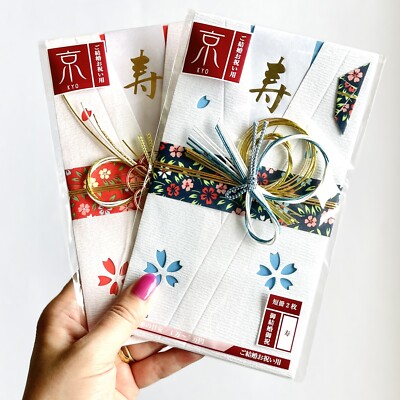
- Elegant wrapping adds a special touch.
Considerations When Purchasing Authentic Japanese Gifts: Cost, Shipping, Dietary Needs, and Fragility
- Authentic Japanese gifts can be expensive.
- Shipping may take time and cost extra.
- Some foods may not suit dietary needs.
- Fragile crafts need careful packing.
Japanese gifts are often beautifully made.
Japanese gifts are often beautifully made, with care given to the materials, details and finish. From finely crafted ceramics and stationery to neatly wrapped sweets, even everyday items can feel special. This attention to quality makes a Japanese gift thoughtful and enjoyable to use, as well as lovely to receive.
They combine practicality with thoughtful design.
Japanese gifts often combine everyday usefulness with thoughtful design. From beautifully made stationery and elegant tableware to reusable furoshiki wrapping cloths, these items are created to be both practical and pleasing to look at. This balance makes them especially appealing: they can be enjoyed regularly while serving as a reminder of the care and attention behind the gift.
There are options for every budget.
Japanese gifts come in a wide range of prices, so it’s easy to find something thoughtful to suit your budget. A packet of sweets, a sheet of washi tape or a small stationery item can make a charming, affordable present, while handcrafted ceramics, quality textiles and speciality tea sets offer more premium options. Whatever you choose to spend, the care and character behind the gift can make it feel special.
Japanese sweets and teas make enjoyable treats.
Japanese sweets and teas make enjoyable treats for anyone who likes discovering new flavours. From delicate wagashi and regional snacks to fragrant sencha or matcha, they offer a delicious way to share a little taste of Japan. Beautiful packaging can make them feel extra special, whether given as a thoughtful present or enjoyed together over a cup of tea.
Traditional crafts offer unique keepsakes.
Traditional Japanese crafts make distinctive keepsakes, combining practical use with generations of skill and artistry. From hand-painted ceramics and lacquerware to woven textiles and delicate paper goods, each piece can reflect its region and maker. Chosen with care, a traditional craft is more than a souvenir: it’s a lasting reminder of a place, a culture and a special occasion.
Stationery and homeware are useful choices.
Stationery and homeware are useful Japanese gift choices, combining everyday practicality with thoughtful design. A beautifully made notebook, pen or set of washi tape can delight someone who enjoys writing or crafting, while ceramics, chopsticks and textiles can bring a distinctive touch to the home. By choosing an item that suits the recipient’s tastes and daily routine, you can give a present that is both attractive and genuinely useful.
Elegant wrapping adds a special touch.
Elegant wrapping is an important part of the charm of many Japanese gifts, making the presentation feel just as thoughtful as the gift itself. Beautiful paper, fabric wrapping or carefully tied ribbons can add colour and care, turning even a simple present into something special. It also creates a lovely sense of anticipation as the recipient unwraps it.
Authentic Japanese gifts can be expensive.
One potential drawback of Japanese gifts is that authentic items can be expensive. Traditional crafts, quality ceramics and products made by skilled artisans often reflect the time, expertise and materials involved in their production, while importing them may add shipping costs and taxes. If you’re shopping on a budget, consider smaller items, locally available Japanese products or contemporary alternatives that capture a similar style without the higher price tag.
Shipping may take time and cost extra.
One drawback of Japanese gifts is that shipping can take longer and cost more, particularly when ordering from Japan or choosing a specialist retailer. International delivery times may vary, and customs charges or import fees could add to the total. If the gift is for a particular occasion, order well in advance and check the seller’s delivery estimates and any extra costs before buying.
Some foods may not suit dietary needs.
Some Japanese food gifts may not suit the recipient’s dietary needs. Sweets, snacks and sauces can contain allergens such as nuts, soya, wheat or sesame, while ingredients and labelling may differ from what they’re used to in the UK. Before choosing an edible gift, check the packaging carefully and ask about any allergies or dietary restrictions; if you’re unsure, a non-food gift may be a safer option.
Fragile crafts need careful packing.
Fragile Japanese crafts, such as ceramics, lacquerware and delicate ornaments, need careful packing to protect them from knocks and breakage. This can make them less convenient to transport or send as gifts, and may require extra cushioning, sturdy packaging and clear handling instructions. Always check that the item is securely wrapped, particularly if it is being shipped overseas.